Zygomatic Implants for Full Mouth Rehabilitation in a 70 Year Old Patient
A 70 year old male patient reported to Dr. Jaydev Dental with a chief complaint of long-standing difficulty in chewing food and speaking clearly. The patient had been using complete removable dentures for several years, but was highly dissatisfied due to poor denture stability, reduced masticatory efficiency, and lack of comfort during daily activities. He also expressed concerns about his appearance and reduced confidence while interacting in social environments.
The patient had a significant dental history of previous implant treatment failure performed elsewhere, which was primarily attributed to severe bone loss in the upper jaw (maxilla). Due to advanced maxillary bone resorption, conventional dental implant placement was considered unpredictable without complex bone augmentation procedures.
Clinical Examination & Diagnosis
A comprehensive clinical and radiographic evaluation was performed. Advanced diagnostic imaging, including CBCT (Cone Beam Computed Tomography), was used for precise assessment of bone volume, anatomical structures, and treatment feasibility.
The evaluation revealed:
Considering the patient’s age, medical condition, and treatment expectations, conventional implants with bone grafting were not considered the most predictable option.
After thorough evaluation and patient consultation, zygomatic implant-supported full mouth rehabilitation was planned as a more reliable and long-term solution.
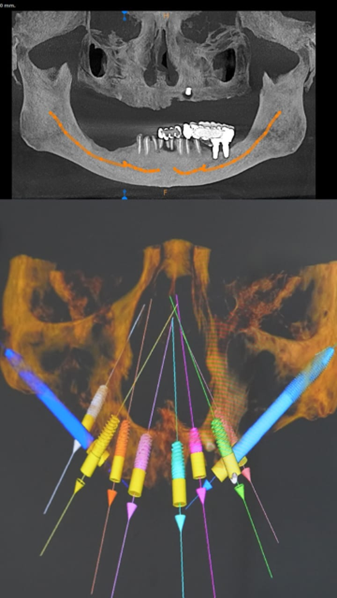
What Are Zygomatic Implants?
Zygomatic implants are specialized long-length dental implants designed to anchor in the zygomatic bone (cheekbone) rather than the severely resorbed upper jaw bone.
This advanced implantology technique is particularly beneficial for patients suffering from:
Severe maxillary bone loss
Long-term denture dependency
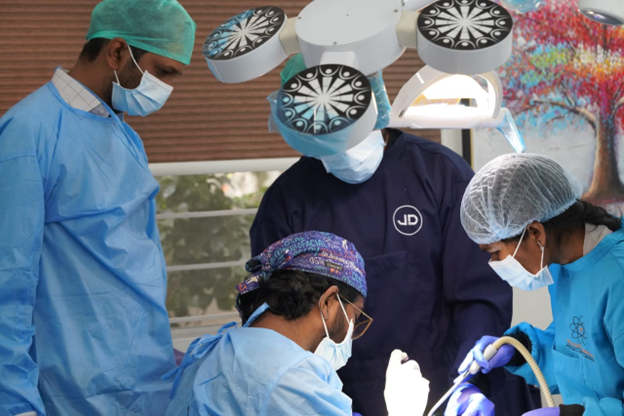
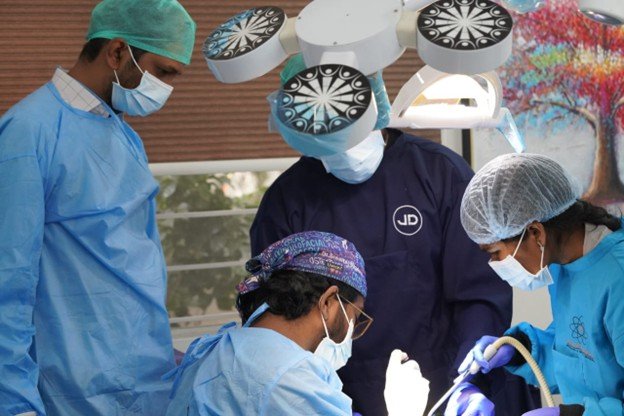
Treatment Planning & Surgical Approach
Full mouth rehabilitation was planned using zygomatic implant-supported fixed prosthesis.
The treatment strategy was designed with a focus on:
The Outcome
He described the entire journey as a “worry-free process”, highlighting the seamless coordination and attentive care he received.
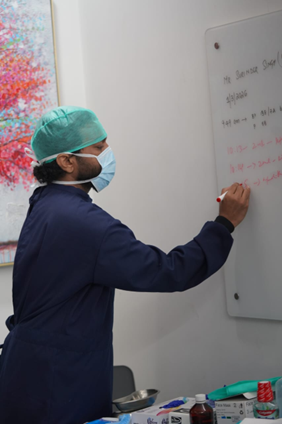
Treatment Highlights
Clinical Outcome
Post-treatment, the patient reported significant improvement in oral function and quality of life.
The rehabilitation resulted in: