
Stress doesn’t just live in your head. It has a habit of quietly settling into your jaw, your teeth, and the soft tissue lining your mouth often before you consciously notice you’re stressed at all.
Many people are surprised to learn that a cracked molar, a clicking jaw, or a stubborn mouth ulcer can trace back to tension. The mouth is remarkably good at registering emotional strain — sometimes it’s the first place symptoms turn up. This article breaks down the three most common ways stress reveals itself: teeth grinding, TMJ trouble, and canker sores plus a few lesser-known effects and how to tell whether stress is the culprit.
“Stress can sometimes show up through habits like teeth clenching and grinding, which may affect the teeth and jaw. If symptoms persist, it’s important to find the underlying cause rather than simply blaming stress.” — Dr. Jaydev
How stress travels from mind to mouth
Muscle clenching
Tap to read
Stress ramps up muscle tension. In the mouth that means clenching and grinding often at night which wears down teeth and strains the jaw.
Weaker immune defence
Tap to read
Chronic stress can dampen the immune system, making the mouth more prone to ulcers and infections and slower to heal.
Dry mouth
Tap to read
Anxiety and some stress-related medications reduce saliva. Less saliva means more decay risk and irritation.
Slipping habits
Tap to read
When stressed, brushing, flossing, and dental care are sometimes avoided and gum problems go unresolved.
Feeling the stress in your jaw? Don’t ignore it. Book a dental consultation and get it checked.
1. Stress and Teeth Grinding
Grinding and clenching the teeth is known as bruxism (pronounced “bruck-sism”). It may occur while you are awake and stressed or focused during the day, or while you are sleeping at night. Many people don’t realise they grind their teeth until a partner notices it or a dentist spots signs of wear.
Stress and anxiety are common triggers. Over time, bruxism can wear down enamel, damage dental work, or leave you with a sore jaw, headaches or sensitive teeth. If you’re experiencing these symptoms, a dentist in Hyderabad can check whether grinding is the cause.
2. Stress and TMJ Symptoms
The temporomandibular joints (TMJ) are the two hinges that connect your lower jaw to your skull, just in front of each ear. When these joints and the muscles around them become painful or don’t move smoothly, it’s called a temporomandibular disorder (TMD) though most people just say “TMJ.” The National Institute of Dental and Craniofacial Research notes that these disorders are more common in women and most often appear between the ages of 20 and 40.
Where does stress come in? Tension makes people clench and tighten the jaw muscles, and that sustained strain can leave the whole joint system aching. The Cleveland Clinic identifies stress-related clenching and grinding among the factors that can contribute to TMD. Symptoms range from jaw pain and clicking to headaches and difficulty opening the mouth wide, which can sometimes affect your smile as well.
3. Stress and Canker Sores
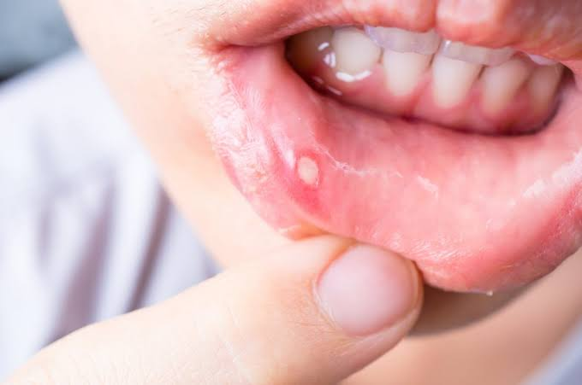
Aphthous ulcers (also called canker sores) are small, shallow, painful lesions that develop in the mouth: on the tongue, inside the cheeks or at the bottom of the gums. They’re not what is known as cold sores, which form on the lips, are virus-caused and can be contagious. The canker sores do not spread and tend to heal up by themselves.
Stress is one of their best-known triggers. The Mayo Clinic lists emotional stress, minor mouth injuries, and certain foods among common triggers for canker sores. Many people notice they get one right before a big exam, a deadline, or a stressful life event the mouth flagging tension that the mind is trying to push through.
Common signs of TMJ trouble
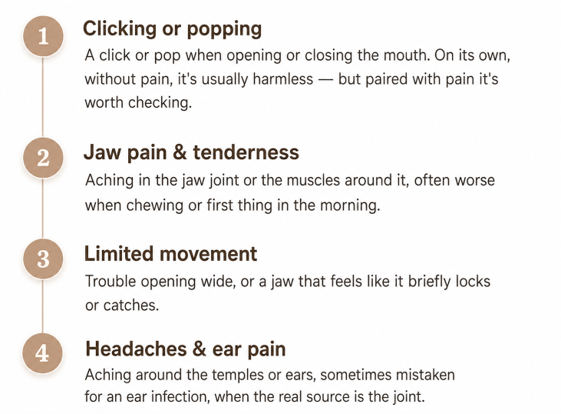
Most TMJ symptoms are temporary and often improve with simple care such as rest, gentle jaw exercises, stress management, and avoiding hard or chewy foods.
Dealing with jaw clicking, clenching, or grinding? Talk to a dentist and find the right treatment for you.
How a typical canker sore heals
Most clear up on their own within about two weeks with no scarring left behind.
- Appears & String (Days 1-2)
- Peak soreness (Days 3-5)
- Easing (Days 6-10)
- Usually (Days 10-14)
If the sore doesn’t heal in two weeks, is unusually large, and/or keeps coming back, you should see your dentist.
Other Ways Stress Can Affect Your Oral Health
Dry mouth
Anxiety and certain stress-related medications reduce saliva flow. Since saliva washes away bacteria and neutralises acid, less of it raises the risk of decay and irritation.
Gum problems
Gum problems. Chronic stress is shown to be associated with an increased risk of gum disease, in part from decreased immune function and in part due to decrease in self-care.
Burning mouth sensation
Some people experience a persistent burning feeling on the tongue or lips that’s been connected to anxiety and stress.
Neglected routines
When life gets overwhelming, brushing, flossing, and check-ups are often the first things to go quietly letting small problems grow.
Is stress behind your mouth symptoms?
A step-by-step way to weigh whether tension is a likely factor.
1. Track the timing
Do symptoms flare during busy, high-pressure periods and ease when life calms down? Timing is a strong clue.
2. Notice your jaw
Catch yourself through the day, is your jaw clenched or your teeth touching? They should rest slightly apart when relaxed.
3. Check the mornings
Waking with jaw soreness or headaches often points to night-time clenching and grinding.
4. Look for clusters
Grinding, jaw pain, and mouth ulcers turning up together makes a shared stress trigger more likely.
5. See a dentist
A professional will be able to eliminate other causes, establish the pattern and provide protection such as a nightguard and stress management strategies.
Frequently Asked Questions
Can stress cause teeth grinding?
One of the largest, but not the only one. During stress, your jaw muscles tighten from time to time without you knowing, which can lead to clenching or grinding, particularly at night.
Can stress trigger canker sores?
For a lot of people, yes stress seems to bring them on, though doctors still aren’t 100% sure why. Small mouth injuries, certain foods, and other personal factors can also be involved.
Can stress cause TMJ pain?
Not directly stress alone won’t cause a TMJ disorder. But the clenching and muscle tightness that come with stress can put real strain on your jaw joint, which often makes existing TMJ issues worse or helps bring them on.
How can stress-related teeth grinding be reduced?
A custom nightguard is a solid first step. It won’t stop the grinding, but it protects your teeth while you work on the root cause. Beyond that, things like regular exercise, better sleep, and relaxation techniques go a long way in easing the stress behind it.