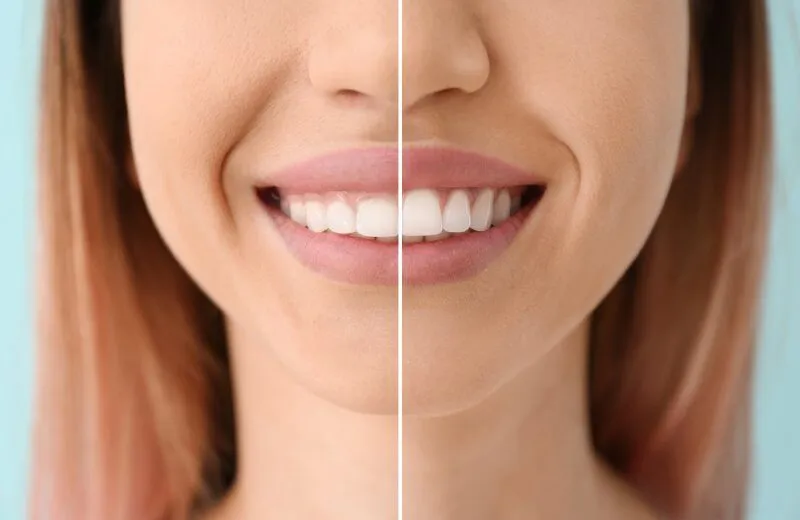
It usually starts with a small moment. You’re brushing your teeth, or flipping through old holiday photos, and you pause. Something about your smile looks different. Your front teeth seem a bit shorter, a bit flatter, and honestly, a little older than you remember.
You’re not imagining it, and you’re far from the only one. Dentists hear this all the time. The change is so gradual that most people don’t notice until it’s already obvious, and by then they’re wondering how it happened without them seeing it.
The reasons vary. Sometimes it’s a daily habit, like grinding your teeth at night. Sometimes it’s your gums. And the good news is that most of it can be treated.
So let’s look at what might be going on, and what you can do about it.
According to Dr. Jaydev, “Teeth may look shorter due to enamel wear, teeth grinding, or gum recession. Early dental evaluation can help identify the cause and prevent further damage.”
Can Gum Problems Make Teeth Look Shorter?
They can, and it’s the explanation people miss most often. Sometimes your teeth haven’t changed at all. What’s changed is how much of them you can see.
Healthy gums sit at an even level and frame the teeth neatly. When the tissue gets inflamed, swollen, or overgrown, it can slide down over part of the tooth. The teeth look stubby and the smile looks “gummy.” Gum disease, certain medications, hormonal shifts, and even the way your teeth first came in can all play a part.
It can go the other way too. When gums recede, they pull back and expose the roots, which usually makes teeth look longer. If you also have wear on the biting edges, the two effects can cancel each other out and hide the real problem. That’s one reason a professional opinion is so useful.
Some signs your gums may be involved:
- Puffy or red gums, or bleeding when you brush
- A smile that shows a wide band of gum
- Teeth that look small next to the gum around them
- Tenderness, or a bad taste that won’t go away
If that sounds familiar, get your gums checked before you decide the teeth are the issue.
Noticing changes in the length or shape of your teeth?
Consider discussing them with your dentist. Early evaluation can help you understand your treatment options and prevent further wear where possible.
What Makes Teeth Actually Get Shorter?
When it’s the teeth themselves that have lost length, the culprit is usually years of quiet wear or small bits of damage. These are the most common causes:
Grinding and clenching (bruxism). Lots of people do this in their sleep and never know it. Night after night, it slowly sands the biting edges flat. Stress, bad sleep, and an uneven bite can all make it worse.
Acid erosion. Orange juice, fizzy drinks, sports drinks, and a nightly glass of wine all soften enamel, which then wears away faster than it should. Acid reflux does the same damage from the inside, so frequent heartburn matters here too.
Brushing too hard. More pressure doesn’t mean cleaner teeth. A heavy hand or a scrubbing motion can grind enamel down, especially along the gumline.
Getting older. Your teeth have chewed through decades of meals, so a bit of wear is only natural. How much depends on the person.
Chips and cracks. Eating a piece of food that’s too hard or bumping into anything with your mouth can cause chips to form on the teeth edges. Each individual chip may be small, but with time, they will affect the overall length and shape of your teeth.
Bite problems. When your bite doesn’t line up properly, a few teeth end up doing more than their share of the work. Those teeth take the pressure and wear down faster than the rest.
How Do You Know If Your Teeth Are Wearing Down?
Tooth wear creeps in so gradually that it’s easy to brush off. Here’s what to watch for:
- Flat or uneven edges. Front teeth that used to have a soft curve or a slightly jagged edge now look as if they’ve been cut straight across.
- New sensitivity. Once enamel thins, the layer underneath gets closer to the surface, and a sip of iced water or a spoonful of ice cream can suddenly sting.
- A yellowish tint. With less enamel on top, the darker dentin underneath starts to show through, even if you haven’t changed anything about your routine.
- Glassy tips. The ends of your front teeth may look slightly see-through, almost like frosted glass.
- Small dents or cupping on the chewing surfaces of your back teeth, where you might notice little hollows with your tongue.
- Jaw pain or headaches in the morning. Jaw pain in the mornings can indicate that you have been clenching or grinding while sleeping.
- Differences in photos. Hold an older picture next to a recent one. It’s a surprisingly honest way to see what’s changed.
A dental consultation can help identify the cause and guide you towards appropriate care. Learn more about dental care options.
What Can Be Done About Short-Looking Teeth?
Treatment depends on the cause and extent of tooth wear. A dentist may recommend bonding, veneers, crowns, gum contouring, or teeth whitening to improve tooth colour. Whitening brightens teeth but does not restore lost tooth length.
Gum Contouring. If there is too much gum that is covering the teeth, then the gumline is reshaped to reveal the normal length of the teeth.
Dental Bonding. The dental bonding procedure involves placing a tooth-colored resin in worn spots and shaping it back to its original size and form.
Porcelain veneers. Porcelain veneers are custom-made shells that are adhered to the front surfaces of the teeth. They restore length and correct both shape and color.
Crowns. When a tooth has lost a lot of its structure, a crown rebuilds both strength and height.
Orthodontic treatment. If the wear comes from a misaligned bite, straightening the teeth helps both how they work and how they look.
Smile Design and Smile Makeover. But if there are multiple problems such as short teeth, uneven gum tissue level, discoloration, spaces between teeth, then it is better to solve these problems at once. Smile Design is the stage when the dentist takes into account all facial proportions, lip line, the nature of your tooth structure to provide the right result. Smile Makeover is the procedure where all solutions suggested at the Smile Design stage will be realized by applying multiple procedures listed above in a certain sequence.
If you have wondered whether it is possible to get your old smile back, then a simple visit to the dentist for a consultation will give you a lot of useful information without making you take any decisions immediately.
How Do You Stop It From Getting Worse?
Once you know the cause, a few habits go a long way:
Symptoms That Often Travel Together
Tap through each stage — noticing the pattern helps guide the right evaluation
Deal with grinding.
A custom night guard cushions your teeth and cuts down on wear. Managing stress and sleeping better can also help.
Go easy on acidic drinks.
Have them with meals instead of sipping all day, and use a straw when it’s practical.
Wait before you brush.
After something acidic, rinse with water and give it about 30 minutes, since enamel is temporarily softer.
Brush gently.
A soft brush, light circular strokes, and fluoride toothpaste are all you need.
Don’t use your teeth as tools.
Tearing open packets or biting your nails can chip the edges.
Look into reflux.
If you get heartburn often, talk to your doctor. Ongoing reflux can erode enamel.
Keep your check-ups.
Your dentist can spot small changes early, when treatment is simpler and less invasive.
Small habits add up, and if you’re not sure where to begin, a routine visit is a good place to build a plan around your own situation.
Frequently Asked Questions
1. Is it normal for teeth to get shorter as we age?
Wear after some time is normal. However, if you feel like you’ve aged your teeth in a relatively short period of time, there may be something else going on. Teeth grinding, acid erosion, or an alignment issue can all lead to this result.
2. Can short teeth grow back?
No, unfortunately not. When the enamel is stripped away, it cannot be rebuilt by the body. Luckily for you, your dentist has the option to restore length and shape through bonding, veneers, and crowns.
3. Could my gums be the reason my teeth look short?
They can. Because of the low position of gum tissue on the tooth, it ends up covering some of the crown, and therefore making the teeth appear small. A simple examination will determine if gum contouring is appropriate.
4. Does grinding really wear teeth down?
Yes, that’s right. The grinding and clenching wear down the sharp edges slowly, and because it mainly occurs while sleeping, many people are unaware of the process until their dentist points it out to them.
5. What’s the difference between smile design and a smile makeover?
Smile designing can be compared to a blueprint board. The dentist considers the tooth size and proportion, the color, as well as the gums, and designs a smile that matches your face. The smile make-over then becomes the actualization of the plan designed by the dentist.
6. Will treatment for worn teeth hurt?
For most people, no. Bonding, veneers, and gum contouring are done with local anesthesia, so you shouldn’t feel much. Your dentist will explain each step before starting, so there are no surprises.