Dental veneers are one of the most popular cosmetic dentistry treatments for creating a brighter, more confident smile. They can help improve chipped teeth, discoloration, uneven shapes, and small gaps while giving your smile a more natural and balanced appearance.
At Dr. Jaydev Dental Clinic, we believe patients should fully understand the treatment before making a decision. Here are 10 important things to know before getting veneers.
1. Veneers Are a Long-Term Cosmetic Solutio
Veneers are designed to last for many years, but the procedure usually involves removing a thin layer of enamel from the tooth surface. Because of this, the treatment is considered permanent and may require replacement in the future if veneers become worn or damaged.
2. There Are Different Types of Veneers
The most common options include:
- Porcelain Veneers – Highly durable, natural-looking, and more resistant to stains
- Composite Veneers – More affordable and quicker to apply, but may not last as long as porcelain
Your dentist will recommend the best option depending on your smile goals, budget, and dental condition.
3. Veneers Can Instantly Improve Your Smile
One of the biggest advantages of veneers is how quickly they can transform your appearance. In just a few appointments, veneers can create a brighter, more even smile without lengthy treatments.
4. Not Everyone Is the Right Candidate
Veneers work best for people with healthy teeth and gums. If you have untreated cavities, gum disease, severe teeth grinding, or weak enamel, your dentist may recommend treating those issues first.
5. Healthy Gums and Teeth Are Essential
Good oral health is important before getting veneers. A clean and healthy foundation helps veneers fit properly and last longer. Regular dental check-ups and professional cleaning are usually recommended before treatment.
6. The Procedure Is Minimally Invasive
Most veneer procedures are comfortable and require only minimal enamel removal. Local anesthesia may be used to ensure a painless experience, and many patients return to normal activities shortly after treatment.
7. Choosing the Right Shade Matters
Veneers are custom-made to suit your facial features and natural smile. Selecting the right color is important because overly white veneers may not look natural. Your dentist will help choose a shade that complements your appearance.
8. Veneers Resist Stains Better Than Natural Teeth
Porcelain veneers are known for being stain-resistant, which means they can maintain their brightness longer than natural teeth. However, habits like smoking, excessive tea or coffee consumption, and poor oral hygiene can still affect their appearance over time.
9. Veneers Still Need Proper Care
Although veneers themselves cannot develop cavities, the natural teeth underneath still need protection. Brushing twice daily, flossing, and routine dental visits are essential for maintaining both your veneers and overall oral health.
10. The Cost Depends on Multiple Factors
The cost of veneers varies depending on:
- The type of veneer material used
- Number of teeth being treated
- Complexity of the case
- Additional dental procedures required
A consultation with your dentist is the best way to understand the treatment plan and receive an accurate cost estimate.
Book your smile consultation today and find out if dental veneers are the right choice for you.
How Long Do Veneers Last?
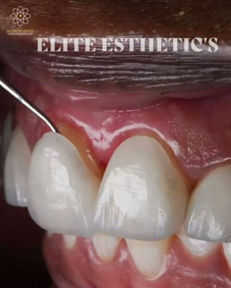
Lifespan depends on the material and how you treat them. Porcelain tends to outlast composite by a wide margin.
- Porcelain veneers: Often last 10 to 15 years, sometimes longer with good care.
- Composite veneers usually last 5 to 7 years before they need touch-ups or replacement.
- Daily habits decide a lot. Biting nails, opening packets with teeth, chewing ice all shorten their life.
- Routine checkups catch problems early: Small chips or edge wear are fixable when spotted soon.
Think of veneers like a good pair of shoes. Look after them and they’ll look after you. Skip the care and they wear out faster than they should. The American Dental Association also recommends regular cleaning to protect bonded restorations.
How to Take Care of Veneers After Treatment
This improves trust and adds practical value. You can include:
- Avoid biting hard objects
- Maintain brushing and flossing
- Use a non-abrasive toothpaste
- Regular dental check-ups
Ready for a perfect smile makeover? Contact us now to schedule your personalized veneer treatment plan with expert guidance.
Conclusion
Dental veneers are a highly effective way to enhance your smile, but they are also a long-term commitment that requires proper care and understanding. From choosing the right material to maintaining good oral hygiene, every step plays an important role in ensuring lasting results.
If you are considering veneers, a detailed consultation with an experienced dentist can help you decide the best approach based on your oral health and aesthetic goals. With the right planning and care, veneers can give you a confident, natural-looking smile that lasts for years.
Frequently Asked Questions
Are veneers permanent?
Yes, veneers are considered a long-term cosmetic treatment because a small amount of enamel is removed from the teeth during the procedure. While veneers are durable, they may eventually need replacement after several years depending on wear and maintenance.
Do veneers damage natural teeth?
When performed by an experienced dentist, veneers do not damage healthy teeth. Only a minimal layer of enamel is removed to ensure a proper fit and natural appearance. Maintaining good oral hygiene is important to protect the underlying teeth.
Can veneers break or fall off?
Veneers are strong and durable, especially porcelain veneers. However, habits such as teeth grinding, nail biting, or chewing hard objects can increase the risk of chipping or damage. Proper care can help them last for many years.
Is getting veneers painful?
The procedure is usually comfortable and minimally invasive. Local anesthesia is often used during tooth preparation, and most patients experience little to no pain. Mild sensitivity after treatment is normal and temporary.
Can I eat normally after getting veneers?
Yes, you can enjoy most foods normally after veneers are placed. However, it is recommended to avoid biting extremely hard foods, ice, or sticky items that may put unnecessary pressure on the veneers.