Most people don’t rush to replace a missing tooth. If it’s at the back, nobody sees the gap. You learn to chew on the other side, the space stops feeling odd, and a few months later you’ve forgotten it was ever a big deal.
But a gap in your mouth isn’t like a gap in a bookshelf. Things around it keep moving. Let’s look at what usually happens, and what it means for you.
“Even if a missing tooth doesn’t cause pain, it’s worth having it checked. Over time, the surrounding teeth and jawbone may change, so understanding the condition of the gap can help you make an informed decision about whether replacement is needed.”
What Happens When You Leave a Missing Tooth Untreated for Years?
Think of a crowded train: when one person gets off, the others shuffle to fill the space. Your teeth do something similar, only slower. Tap through each stage to see what happens.
Neighbouring teeth lean toward the gap
Over the years, the teeth on either side slowly tilt or drift into the empty space.
The opposite tooth can grow downward
The tooth that used to bite against the missing one may slowly move down, since nothing is stopping it.
Your bite and chewing change
The way your teeth meet shifts a little, and so does how you chew.
You may not notice anything
Most of these changes are painless, so they go unseen for a long time.
Food gets trapped more easily
Tilted teeth create odd corners where food gets stuck and your toothbrush can’t reach well.
Cavities and gum trouble become more likely
Those hard-to-clean spots can collect plaque over time.
It’s different for everyone
Some people see very little change, while others notice a lot. The only way to know is to have it looked at.
What happens if you leave a missing tooth for 10 years?
Ten years is long enough for the changes to show. The neighbouring teeth may have moved visibly, the bite may feel “off” in a way you can’t quite explain, and the bone in the gap area may have thinned out. You might also find flossing around those teeth harder than it used to be.
Fortunately, a 10-year age gap is not an impossible one. Having a dentist examine your X-rays and look at your bite will provide you with a better clue on what has actually changed in your mouth than you will get from speculating.
Can a missing tooth cause other teeth to become loose?
It can play a part. When teeth tilt or drift, they stop sharing the chewing load evenly, so one tooth may end up working harder than it should. Add the extra plaque that collects in awkward gaps, and the gums and bone holding that tooth can start to suffer. In some people, that shows up as a tooth that feels a bit less firm.
This doesn’t happen to everyone. But it’s one of the reasons your dentist will ask about gaps during a routine check-up.
Does the jawbone shrink when a tooth is missing?
Yes, and this surprises a lot of people. Your jawbone stays healthy partly because tooth roots pass tiny forces into it every time you chew. Once the root is gone, that “exercise” stops, and the bone in that spot slowly becomes thinner and shorter. Dentists call this bone resorption.
It’s usually quickest in the first year after the tooth is lost, then carries on at a slower pace. It’s a gradual process, not a sudden one.
If you’ve had a gap for a while and never had it checked, a routine dental visit is an easy way to find out where things stand.
Does It Matter Which Tooth Is Missing?
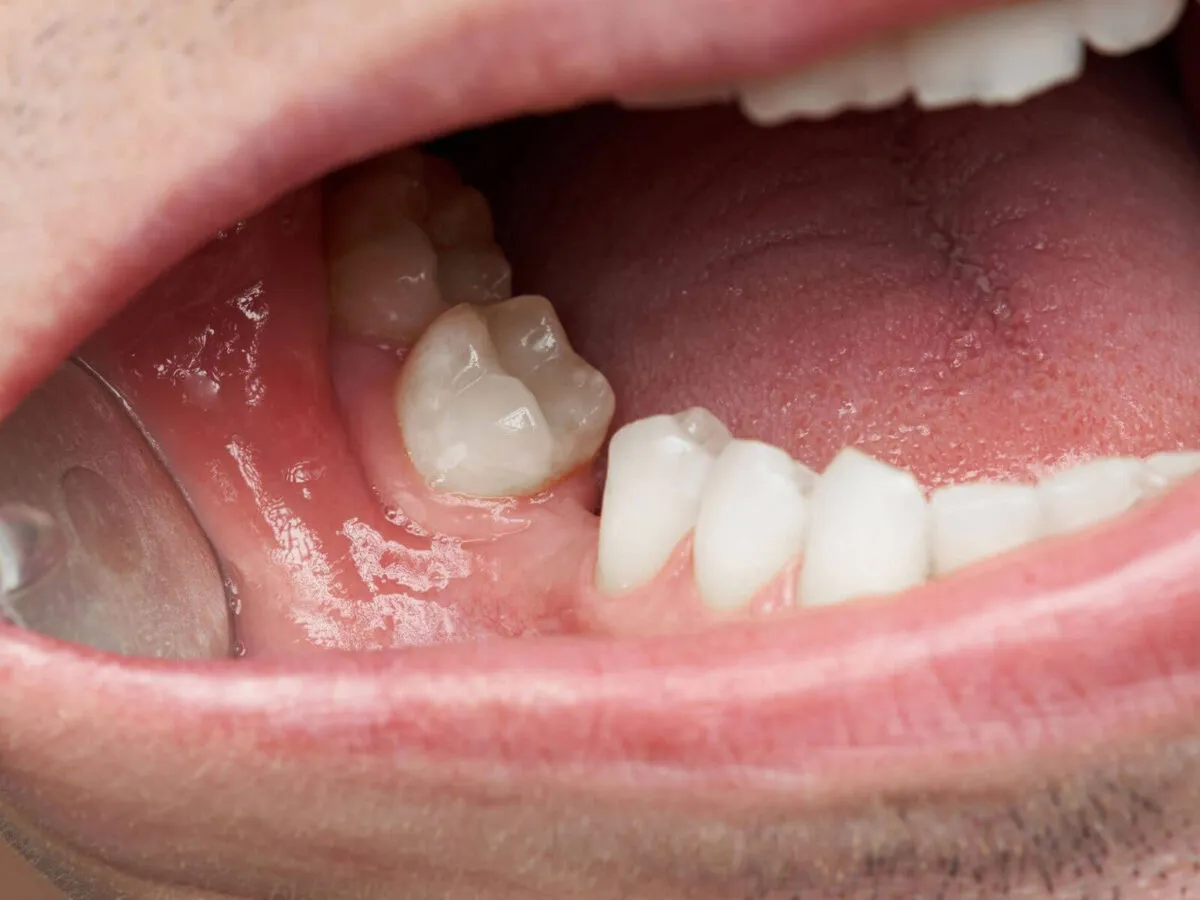
It does, because teeth have different jobs.
Front teeth are important for biting, talking and for your smile. It is obviously not an opening that cannot be ignored and people will generally address it sooner. Heavy teeth are the ones in the back of the mouth (premolars and molars) which are responsible for chewing. If one of them is absent, the others have to cope with the absence of one. The only exception is wisdom teeth. Many people do not need their replacements, and your dentist will typically advise you to not get them replaced.
Your own mouth matters too. If you already have a strong bite, crowded teeth, or gum problems, the same gap might affect you more than it would affect someone else.
Can You Leave a Missing Tooth Unreplaced If It Doesn’t Hurt?
There are a lot of people who do, and it’s not hard to understand why. We rely on pain to let us know when there is a problem, so no pain = no problem.
The problem is that most of the damage caused by a gap in your teeth is likely to occur in secret. Drifting, bone loss and bite changes are not always painful. When pain occurs, it may be from overloaded tooth, an area of decay that is hard to clean, or unhappy gums.
“It doesn’t hurt” is a positive message but it doesn’t always translate to “Nothing will change.”
Is it necessary to replace every missing tooth?
No, not always. Whether a gap needs replacing depends on where it is and how it affects your mouth.
Symptoms That Often Travel Together
Tap through each stage — noticing the pattern helps guide the right evaluation
Deal with grinding.
A custom night guard cushions your teeth and cuts down on wear. Managing stress and sleeping better can also help.
Go easy on acidic drinks.
Have them with meals instead of sipping all day, and use a straw when it’s practical.
Wait before you brush.
After something acidic, rinse with water and give it about 30 minutes, since enamel is temporarily softer.
Brush gently.
A soft brush, light circular strokes, and fluoride toothpaste are all you need.
Don’t use your teeth as tools.
Tearing open packets or biting your nails can chip the edges.
Look into reflux.
If you get heartburn often, talk to your doctor. Ongoing reflux can erode enamel.
Keep your check-ups.
Your dentist can spot small changes early, when treatment is simpler and less invasive.
Small habits add up, and if you’re not sure where to begin, a routine visit is a good place to build a plan around your own situation.
Frequently Asked Questions
1. How long can I leave a missing tooth before it becomes a problem?
There’s no set deadline that fits everyone. If you don’t decide to replace the gap, it’s advisable to discover the gap early as soon as you lose a tooth, as changes such as drifting and bone loss occur gradually over time.
2. Will my face look different if I don’t replace a missing tooth?
One missing tooth rarely changes your face in a noticeable way. When several teeth are missing for many years, the loss of bone and support can make the cheeks or lips look a bit sunken in some people.
3. Does a missing back tooth really affect chewing?
It can. People tend to chew on the other side without knowing it as most of the grinding happens in the back teeth. That side can become overworked with the passage of time.
4. Can I wait before replacing the tooth?
Sometimes, yes—although it’s important to discuss timing with your dentist. An excess amount of time could allow neighboring teeth to shift, making treatment more complex in the future.
5. Is it normal for my gum to look different after losing a tooth?
Yes, the gum and bone reshape over time, after teeth have been lost. If you do see swelling, bleeding or discomfort near the opening, seek medical attention.
This article is for general information only and isn’t a substitute for professional dental advice. Please consult a qualified, registered dental practitioner for guidance specific to you.
References: https://pubmed.ncbi.nlm.nih.gov/10986832/