When most people think of a healthy smile, they picture straight, white teeth. But a healthy smile is about more than appearance. The way your teeth come together also plays an important role in your oral health.
An improper bite can affect chewing, speaking, and put extra pressure on certain teeth, leading to wear, sensitivity, or jaw discomfort. In children, bite issues may become noticeable as permanent teeth come in, while adults may experience problems related to grinding, tooth wear, or dental restorations. That’s why a healthy bite deserves just as much attention as a good-looking smile.
“A beautiful smile should not come at the expense of function. A healthy bite is the foundation of long-term oral health, comfort, and stability.” – Dr. Jaydev Matapathi
Is Your Bite Affecting Your Smile?
Notice uneven teeth, jaw discomfort, grinding, or unusual tooth wear? Book an appointment for a personalised bite evaluation.
How an Improper Bite Can Affect Your Oral Health
Your teeth, jaw muscles and jaw joints form a harmonious system. That balance can be thrown off when your bite is not aligned.
Over time, uneven biting forces can place excessive pressure on certain teeth. This may cause premature wear, cracks, sensitivity, or even tooth fractures. Some patients also experience difficulty chewing because their teeth do not meet properly.
An improper bite can contribute to:
- Excessive tooth wear
- Chipped or cracked teeth
- Jaw pain and stiffness
- Teeth grinding (bruxism)
- Headaches and facial discomfort
- Gum recession in areas under excessive pressure
- Difficulty chewing certain foods
Because these changes often happen gradually, many people do not realize their bite is causing problems until significant damage has already occurred.
Common Types of Bite Problems
Bite problems can affect people of all ages and may become noticeable as children’s permanent teeth come in or later in adulthood due to grinding, tooth wear, or changes in tooth position.
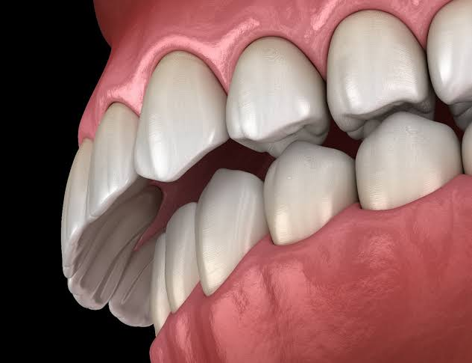
Overbite
When the upper front teeth overhang the lower front teeth by too much, it is called overbite. Emphasis should be placed on a mild overbite, but a deep overbite can lead to tooth wear and additional strain on the jaw.
Underbite
An under bite is one in which the bottom teeth are in front of the top teeth. This can impact on chewing ability and may also cause a lack of even pressure on the teeth and jaw points.
Crossbite
A cross bite is a bite that occurs when some of the upper teeth fit into the lower teeth instead of outside them. This can lead to unequal wear and may help to develop gum issues.
Open Bite
A bite with the top teeth not biting into the bottom teeth. This can make it hard to bite and chew, particularly using the front teeth.
Crowding and Misalignment
Overcrowded or badly aligned teeth can impact the functioning of your bite and may make it easier to take care of your teeth.
Each type of bite problem can vary in severity, which is why a professional dental evaluation is important.
How Can You Tell If Your Bite Is Not Healthy?
Many bite problems develop slowly and can be easy to overlook. In children and adults, changes in tooth alignment, wear, or grinding may affect how the teeth come together.
You may have a bite issue if you notice:
- Teeth that appear worn down or flattened
- Frequent jaw pain or clicking sounds
- Difficulty biting into food
- Chronic headaches around the temples
- Tooth sensitivity without obvious cavities
- Teeth grinding, especially during sleep
- Uneven tooth wear
- Frequent cheek or tongue biting
Not everyone with a bite issue experiences pain. In fact, some patients only discover a problem during a routine dental examination when unusual wear patterns are identified.
How Dentists Evaluate Your Bite
Evaluating a bite involves much more than simply looking at your teeth.
At a checkup, a dentist evaluates how your teeth fit together, how your jaw moves and any indications of unusual wear or stress. Digital imaging, photographs, bite analysis tools and X-rays may also be employed to better understand the problem.
Dentists typically look for:
- Tooth wear patterns
- Jaw joint function
- Alignment of upper and lower teeth
- Signs of grinding or clenching
- Muscle tenderness around the jaw
- Existing restorations affected by bite forces
A thorough bite evaluation helps identify whether treatment is needed and, if so, which approach will provide the most stable long-term result.
Why Function Should Come Before Appearance
A straight smile may look attractive, but aesthetics alone do not guarantee a healthy bite. In some cases, teeth can appear perfectly aligned while underlying bite issues remain present.
As a result, contemporary dentistry emphasizes the importance of function and looks equally.
When the bite functions properly:
- The teeth are less likely to damage over time
- Restorations like crowns and veneers have a longer lifespan
- Jaw function is better
- Chewing becomes easier and more effective
- The chances of developing dental problems in the future are reduced
Treatment techniques such as orthodontics, aligners, bite correction, and restorative dentistry are often designed to provide both function and looks.
Frequently Asked Questions
Can poor bite affect teeth?
Yes. As time goes on, an improper bite can result in wear, cracks and put too much pressure on the teeth making them sensitive and even breakable.
Is jaw pain always related to a bite problem?
While not always, bite problems are often a cause of discomfort in the jaw, muscle and symptoms from TMJ.
Can bite problems be corrected in adults?
Yes. Orthodontic treatment, clear aligners, restorative treatment and bite adjustment can enhance bite function in adults.
When should I have my bite rechecked?
Your dentist will usually check your bite at regular dental appointments. A thorough evaluation may be suggested if you have symptoms such as jaw pain, grinding or excessive tooth wear.
Is grinding of teeth a sign of a bite problem?
Grinding can also be part of bite issues but other factors such as stress, sleep disorders and muscle activity could be involved.