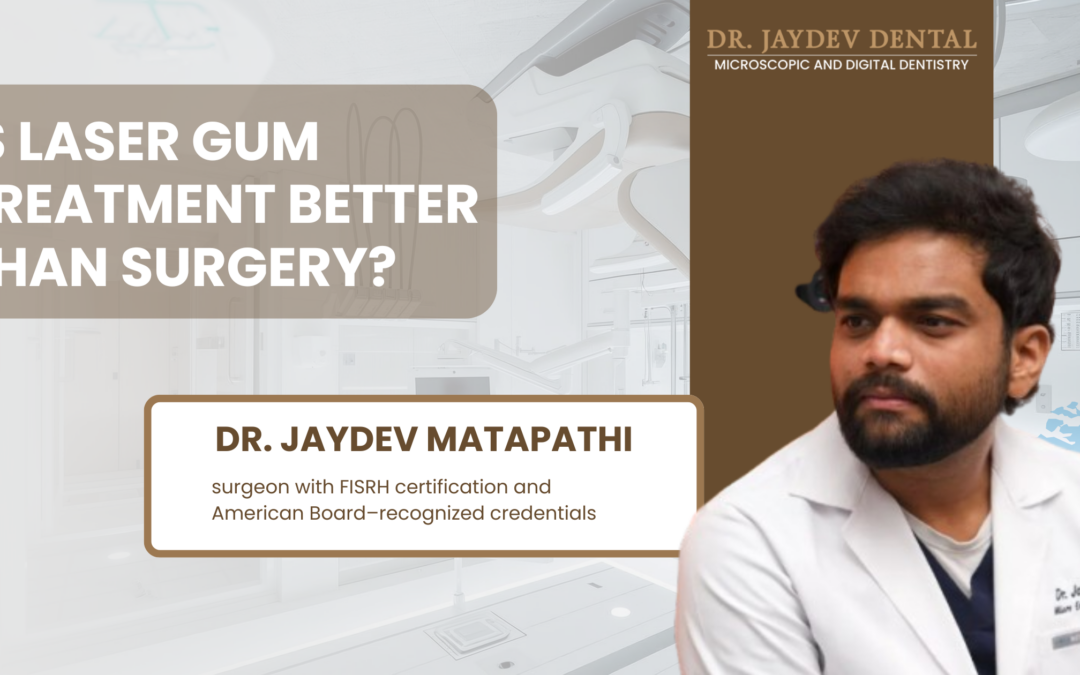
Is Laser Gum Treatment Better Than Traditional Gum Surgery?
Laser treatment is the better option for mild to moderate gum disease. Less bleeding, no sutures in most cases, and the laser removes infected tissue and disinfects the pocket in the same pass. For advanced periodontitis with significant bone loss, conventional flap...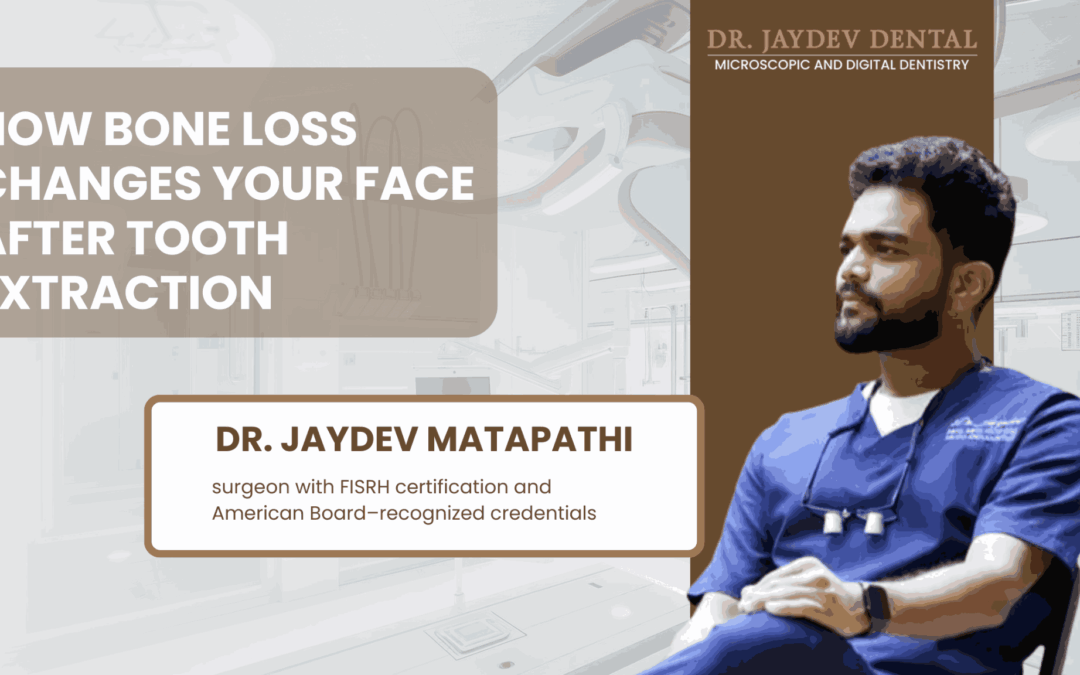
Bone Loss After Tooth Extraction & Facial Changes
Most people assume a lost tooth just means a gap in the smile. The truth is deeper than that. Once a tooth is pulled, the jawbone that held it in place slowly starts to shrink. This shrinking, called bone loss can change the shape of your face over time and leave you...
Teeth gap filling without braces in Hyderabad: best options in 2026
The top options for teeth gap filling without braces are dental bonding, porcelain veneers, and clear aligners. Bonding handles small gaps under 2mm in just one visit, using tooth-colored composite resin shaped right onto the enamel. Veneers work better when the gap...
Chipped Front Tooth Repair in Hyderabad: Bonding vs Veneer vs Crown
A chipped tooth is when a piece of enamel or tooth structure breaks off, usually from injury, biting hard objects, or weak enamel. Three options can fix it: bonding for small chips (done in one visit), veneers for moderate damage where looks matter, and crowns when a...Medically Reviewed by

Dr. Jaydev Matapathi
BDS, MDS (Conservative Dentistry & Endodontics)
MFD RCSI (UK), MFDS RCPS (Glasgow, UK)
Member Faculty of Dentistry — Royal College of Surgeons, Ireland
Member Faculty of Dental Surgery — Royal College of Physicians and Surgeons, Glasgow Dual Super-Specialisation: Microscopic Endodontics & Smile Designing
Member Faculty of Dental Surgery — Royal College of Physicians and Surgeons, Glasgow Dual Super-Specialisation: Microscopic Endodontics & Smile Designing