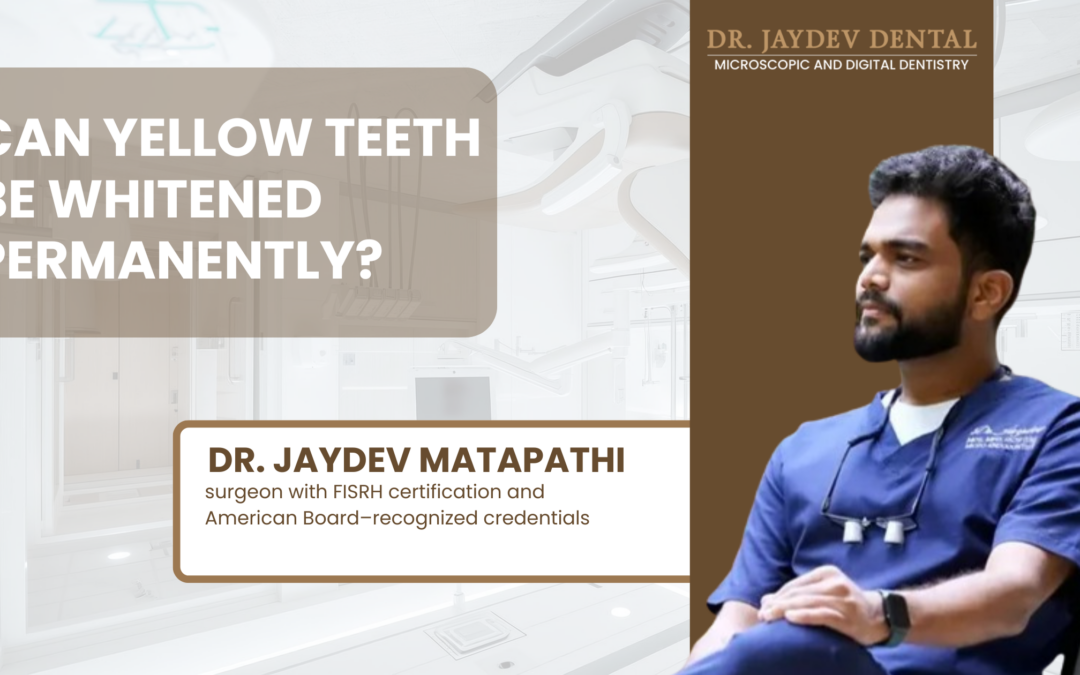
How Long Does Teeth Whitening Last?
Teeth whitening usually lasts between six months and three years, depending on the method, your diet, and how you care for your teeth afterward. Professional in-office whitening tends to hold longest, while take-home and over-the-counter options fade sooner. What...
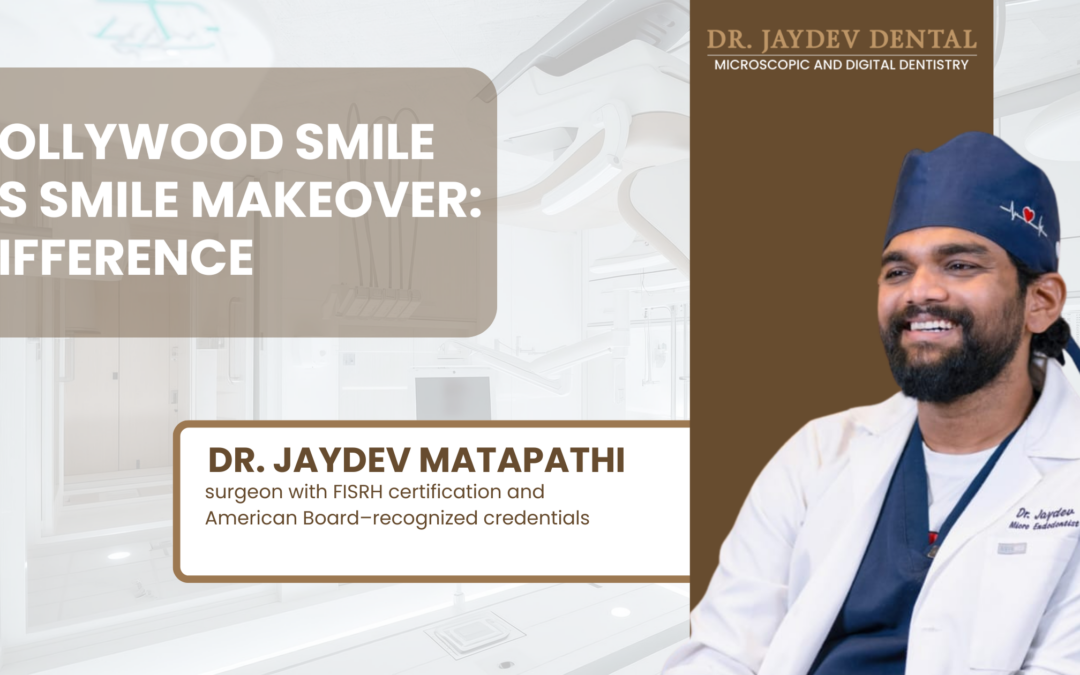
Hollywood Smile vs Smile Makeover: What Is the Difference?
Both improve your teeth, but they differ in purpose. A smile makeover is a restorative, customised treatment focused on oral health and subtle, natural enhancement. A Hollywood smile is a specific cosmetic package built for a bold, ultra-white, perfectly symmetrical...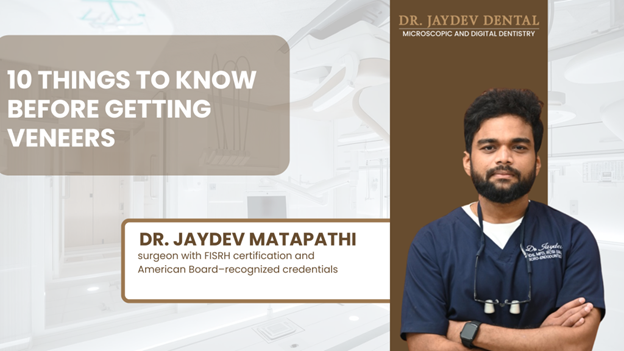
10 Things To Know Before Getting Veneers & How Long Do They Last?
Dental veneers are one of the most popular cosmetic dentistry treatments for creating a brighter, more confident smile. They can help improve chipped teeth, discoloration, uneven shapes, and small gaps while giving your smile a more natural and balanced appearance. At...
Porcelain Veneers vs Composite Veneers: Which Is Better?
Porcelain veneers are generally considered better for long-term durability, a highly realistic look, and stain resistance. Composite veneers are the better pick if you’re on a budget or want an immediate, single-visit fix. So neither wins outright. It comes down...
How to Care for Dental Implants After Surgery?
Keep the area clean, eat soft foods, skip smoking, and turn up for your follow-ups. That’s implant aftercare in a sentence. The detail underneath it matters more than it sounds, because those first few weeks are when the bone decides whether to fuse around the...Medically Reviewed by
Dr. Jaydev Matapathi
BDS, MDS (Conservative Dentistry & Endodontics)
MFD RCSI (UK), MFDS RCPS (Glasgow, UK)
Member Faculty of Dentistry — Royal College of Surgeons, Ireland
Member Faculty of Dental Surgery — Royal College of Physicians and Surgeons, Glasgow Dual Super-Specialisation: Microscopic Endodontics & Smile Designing
Member Faculty of Dental Surgery — Royal College of Physicians and Surgeons, Glasgow Dual Super-Specialisation: Microscopic Endodontics & Smile Designing