What is Tooth Fracture? How to fix it?
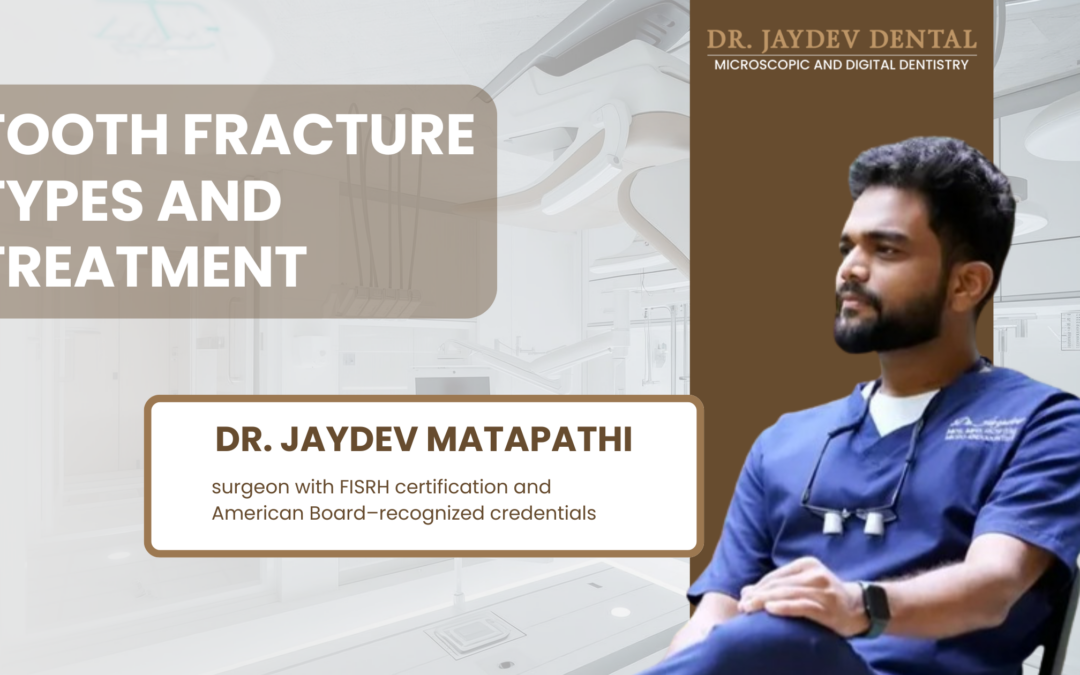
A tooth fracture is a crack, split, or break in the tooth structure, ranging from surface enamel to the root. There are five main types craze lines, fractured cusp, cracked tooth, split tooth, and vertical root fracture each varying in severity and treatment. Craze...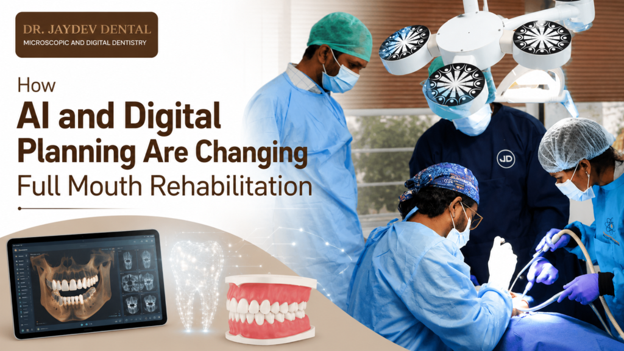
How AI and Digital Planning Are Changing Full Mouth Rehabilitation
What if your dentist could get a clearer picture of your entire smile before starting your full mouth rehabilitation? Modern technology can bring together information about your teeth, bite, gums, and jaw to help understand how everything works together. This is where...
Which Dental Filling Material Is Right for Your Tooth?
Dental filling materials vary in strength, aesthetics, and clinical suitability no single type suits every situation. Composite resin suits visible teeth, amalgam handles heavy bite pressure in posterior teeth, porcelain offers the closest colour match with strong...
What Causes Gum Disease and How Does It Progress?
Gum disease is a bacterial infection of the tissues supporting the teeth, caused primarily by plaque accumulation along and beneath the gum line. It begins as gingivitis, where gums become inflamed and bleed on brushing, and progresses to periodontitis when untreated,...
How Often Should You Get Professional Tooth Cleaning Done?
Every six months is the standard for most adults. Not everyone fits that. Some patients need cleaning every three to four months. A few with excellent home care and no gum issues can stretch to twelve. The interval isn’t arbitrary, it’s based on how fast...Medically Reviewed by
Dr. Jaydev Matapathi
BDS, MDS (Conservative Dentistry & Endodontics)
MFD RCSI (UK), MFDS RCPS (Glasgow, UK)
Member Faculty of Dentistry — Royal College of Surgeons, Ireland
Member Faculty of Dental Surgery — Royal College of Physicians and Surgeons, Glasgow Dual Super-Specialisation: Microscopic Endodontics & Smile Designing
Member Faculty of Dental Surgery — Royal College of Physicians and Surgeons, Glasgow Dual Super-Specialisation: Microscopic Endodontics & Smile Designing